

Real app screens
Screenshots show map layers, Captain Brad, catch history, and offline prep instead of generic fishing art.
Use an AI fish map to compare modeled planning zones, structure, and conditions before choosing where to run.
Use the model alongside structure, weather windows, and your local judgment; it is not a guarantee of where fish will be.
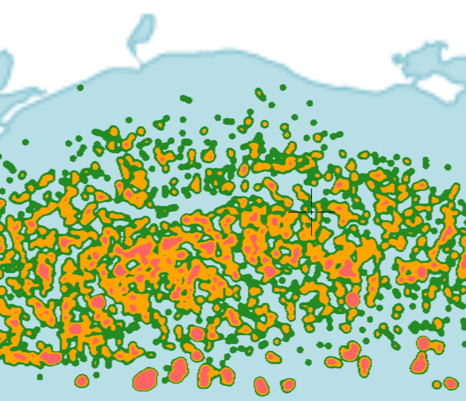
Review the map context, then move into structure, weather, routes, private marks, and offline preparation in the app.
Screenshots show map layers, Captain Brad, catch history, and offline prep instead of generic fishing art.
App Store, Google Play, and Microsoft Store pages stay one click away for current screenshots, version details, privacy labels, and reviews.
Fish Fathom supports trip decisions and is not a substitute for required navigation, regulations, safety gear, or local judgment.
Fish Fathom for Windows is available now in the Microsoft Store. Mac preview requests remain open while the Mac build moves through validation.
Fish Fathom combines official survey context and habitat signals into a visual comparison. The useful outcome is a shorter list of areas worth checking—not a promise about what will happen on the water.
Review NOAA survey records, species context, and environmental signals.
Compare relative planning strength for the species and area you are researching.
Combine the signal with structure, weather, regulations, route limits, and local judgment.
Clear answers help anglers understand the planning signal before they decide whether the workflow fits.
An AI fish map compares modeled planning zones for a selected species using NOAA survey and habitat context. It helps you decide which areas deserve more research before you build a route.
Use the model to narrow the search, not to promise a catch.
Compare the modeled zones with bathymetry, relief, weather windows, saved waypoints, regulations, and what you know about the water. Then choose a practical target list and backup plan.
The strongest planning signal comes from combining layers and judgment.
No. Modeled zones are relative planning context based on available data. They do not guarantee fish, replace official forecasts or regulations, or substitute for navigation and safety judgment.
Treat every zone as a research starting point.
Move from modeled zones into structure research, weather checks, route preparation, and private trip context.
Use Fish Fathom to compare the signal, check the conditions, and build a plan you can verify before leaving the dock.